Kalimantan is the Indonesian segment of the island of Borneo. It comprises 73% of the island’s area and includes the provinces of Central Kalimantan, East Kalimantan, North Kalimantan, South Kalimantan, and West Kalimantan. Brunei and East Malaysia comprise the non-Indonesian regions of Borneo. In Indonesia, the entire island of Borneo is called “Kalimantan”.[2]
In 2019, Joko Widodo, the President of Indonesia, proposed relocating the nation’s capital to Kalimantan. The People’s Consultative Assembly approved the Law on State Capital in January 2022.[3] Nusantara, the future capital, is a planned city to be established in East Kalimantan. A government official stated that construction is anticipated to be completed by 2045. However, the unfinished capital officially celebrated Indonesian Independence Day for the first time and is scheduled to be inaugurated as the capital city on 17 August 2024, although the relocation has not occurred due to construction delays.[6]
- Camp Leakey: Preservation of Orangutans
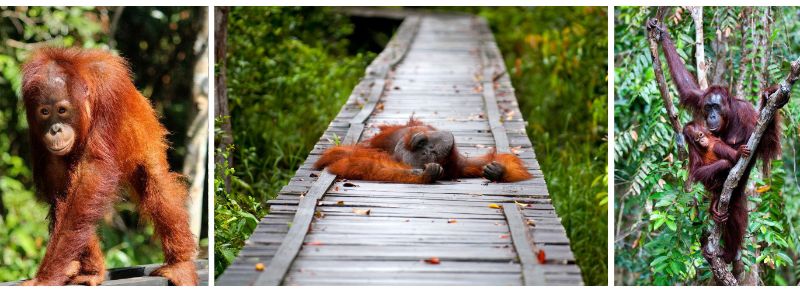
Source : orangutanfoundation.org.au
Camp Leakey, a site dedicated to the preservation of orangutans, is one of the primary attractions of Tanjung Puting. The camp was established in 1971 to serve as a refuge for orangutans rescued from captivity. The camp continues to serve as a research center for these remarkable animals. Acquire additional knowledge regarding orangutans at the Camp Leakey information center. The daily feedings of wild orangutans represent a significant aspect of your visit, providing an opportunity to observe these animals closely in their natural environment. Camp Leakey is named after Dr. Louis Leakey, who was the mentor of Professor Birute Galdikas, one of the camp’s founders.
Pondok Tangui serves as a rehabilitation center for former captive orangutans within the park, providing daily feedings for the apes. Both centers provide an opportunity to observe these remarkable primates closely and gain insights into conservation efforts for this endangered species native to Borneo Island. The park hosts monkeys, birds, and various wildlife, alongside the pristine vegetation of the jungle. This natural treasure is renowned globally and attracts an increasing number of international visitors annually.
2. Derawan Island
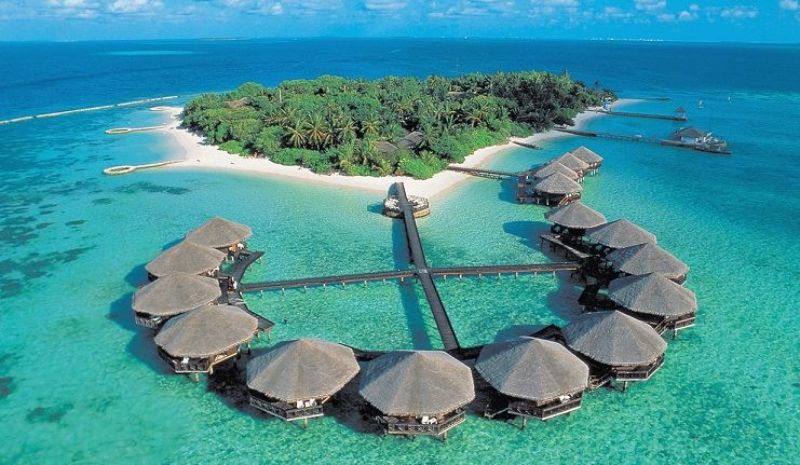
Source : iwarebatik.org
The Derawan archipelago, situated off the coast of East Kalimantan in the Berau district, consists of 31 islands, with Derawan, Maratua, Sangalaki, and Kakaban being the most notable. Indonesia hosts the largest nesting site for the rare and endangered giant green turtles and hawksbill turtles, providing opportunities to observe daily egg-laying activities on the sand and the turtles’ return to the sea.
The marine conservancy region encompasses an area of at least 1.27 million hectares. The region exemplifies an ideal tropical paradise characterized by warm, secluded islands, soft white sand beaches bordered by palm trees, and pristine waters exhibiting a spectrum of colors from green to deep blue. The underwater ecosystem is notable for its diverse marine life, including giant turtles, dolphins, manta rays, dugongs, barracudas, stingless jellyfish, and occasionally, whales. This area hosts 460 distinct coral species, making it the second most diverse location after the Raja Ampat Islands in West Papua. The Nature Conservancy, in collaboration with a team of international experts, identified over 870 fish species in this region, including both diminutive pygmy seahorses and large manta rays.
3. Martapura
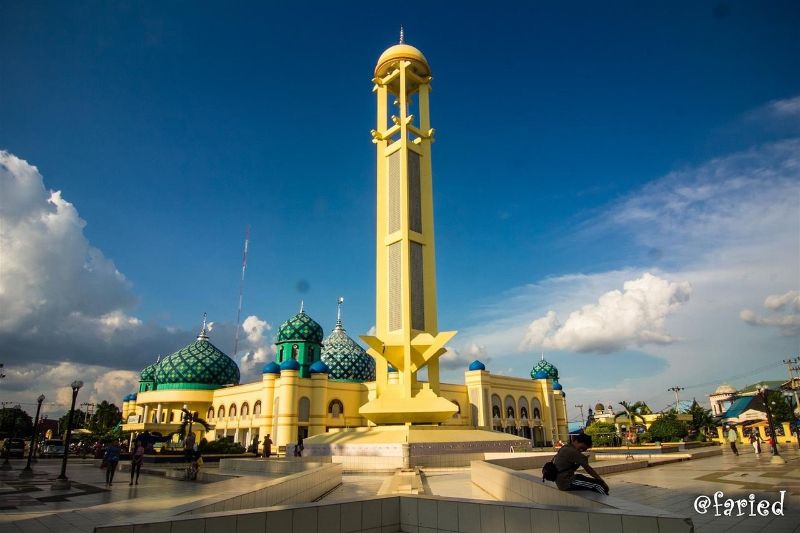
Source : tripadvisor.org
Located approximately 45 km east of Banjarmasin, the capital of South Kalimantan Province, Martapura is a city abundant in diamonds and various precious stones extracted from Borneo’s geological formations. Martapura serves as the administrative capital of Banjar Regency. The city is recognized as the hub of the diamond industry and serves as the primary location for diamond cutting and polishing in Kalimantan, while also producing high-quality jewelry.
Martapura is a destination for individuals interested in jewelry and accessories, including necklaces, bracelets, rings, brooches, and other items crafted from materials such as diamond, gold, zircon, silver, various gemstones, as well as plastic or glass imitations. The quality of Martapura’s jewelry is internationally acknowledged as among the finest globally. Martapura serves as both a display for Borneo’s most notable rocks and a site for the mining and processing of diamonds and other gemstones.
4. Tanjung Putting National Park
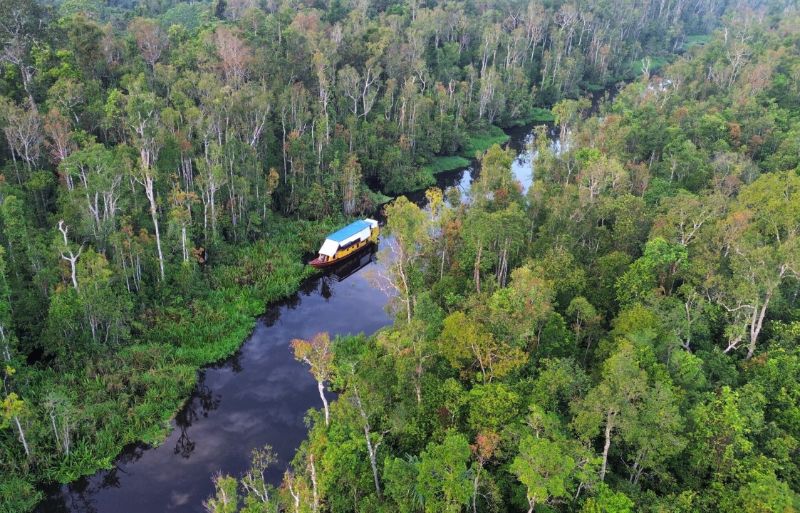
Source : beborneo.com
Enjoy the experience of observing monkeys as they navigate through the trees while aboard your boat. The park hosts approximately eight species of monkeys, including the notable proboscis monkey, characterized by its elongated nose, which is particularly attention-grabbing. Observe wild orangutans navigating the dense and verdant foliage. Be vigilant for the presence of crocodiles; although they may be difficult to detect, they are certainly present. The park serves as a habitat for more than 220 bird species.
5. Tarakan
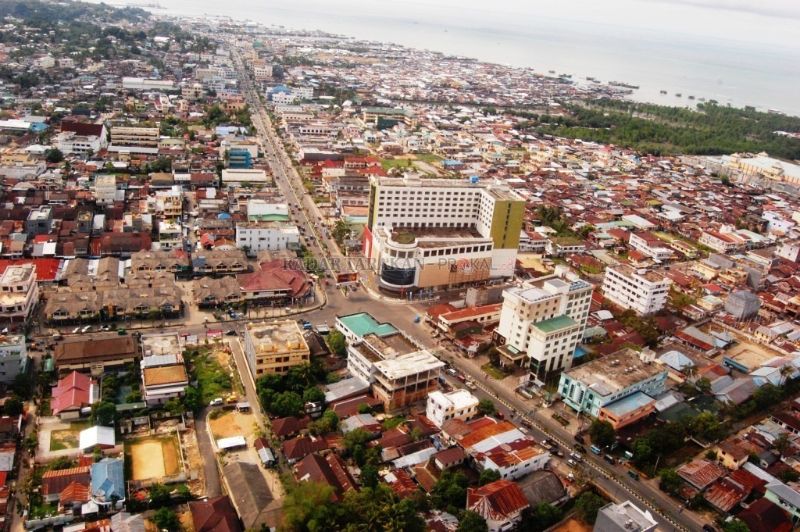
source : blogspot.com
Located adjacent to Sabah, Malaysia, the town and island of Tarakan belong to the newly established province of North Kalimantan. The region was a significant oil producer during the Dutch colonial era and held considerable strategic importance during the Pacific War, being one of the initial targets for Japan at the war’s outset.
Evidence of past conflicts and significant battles persists throughout the city. The remnants include the Peningki Lama Site in East Tarakan, the Museum Roemah Boendar (Roundhouse Museum), the Pillbox/Stelling Post, the Australian Monument at the Kodim (Military Command Center) on Pulau Kalimantan Street, and the Japanese Ash Monument.
In addition to the numerous World War II remnants and monuments, the city of Tarakan features other intriguing sites that merit exploration. The Tarakan Orchid Garden, Amal Beach, Juwata Crocodile Breeding Center, and the Mangrove and Proboscis Monkeys Conservation Area are notable locations, with the latter serving as a habitat for the rare proboscis monkeys, locally referred to as Bekantan.
6. Singkawang
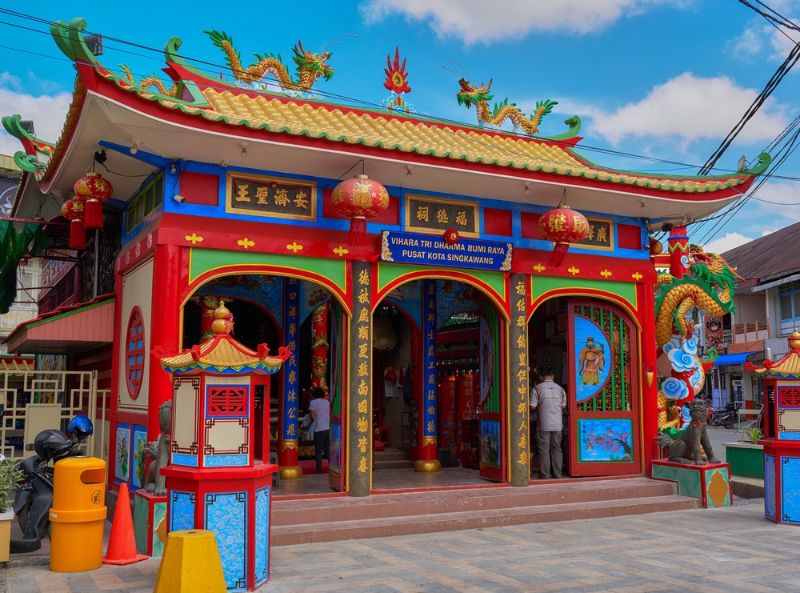
Source : kemenparekraf.go.id
Singkawang serves as the capital of West Kalimantan and is the second largest city in the province, which shares a border with the State of Sarawak, Malaysia. Singkawang, in contrast to other towns in Indonesia, exhibits a unique oriental ambiance characterized by the presence of numerous Chinese temples located throughout the area. Over 70 percent of Singkawang’s population is of Chinese descent, primarily from the Hakka tribe, with a minority of Teochew individuals.
Other ethnic groups include Malays, Dayaks, and various Indonesian populations. The Tri Dharma Bumi Raya temple, established in 1878, is one of the oldest temples in the area, dedicated to Tua Peh Kong, the God of the forest. Typically a tranquil city, Singkawang becomes vibrant during the Chinese New Year, culminating in Capgome, the fifteenth day of the celebration, which marks its conclusion.
Singkawang is renowned for its Chinese ceramics, which continue to be produced in traditional styles featuring “antique” designs. In addition to exploring numerous temples, particularly the primary temple at Tri Dharma Bumi Raya, Singkawang is renowned for its vibrant food centers that operate during the night. The Pasar Hongkong is the most popular market, offering a diverse range of food options, including porridge, nasi lemak, Rujak Ju Hie (a hot fruit salad with dried squid), a specialty of Singawang, and tofu Singkawang. The city features numerous coffee shops referred to as Kopi Tiam.
Pasir Panjang Beach, located approximately 17 km from the city center, serves as a recreational destination. The beach provides a serene environment alongside various activities such as boat rentals, water bikes, go-karts, souvenir shops, and numerous food stalls.
7. Pangkalan Bun
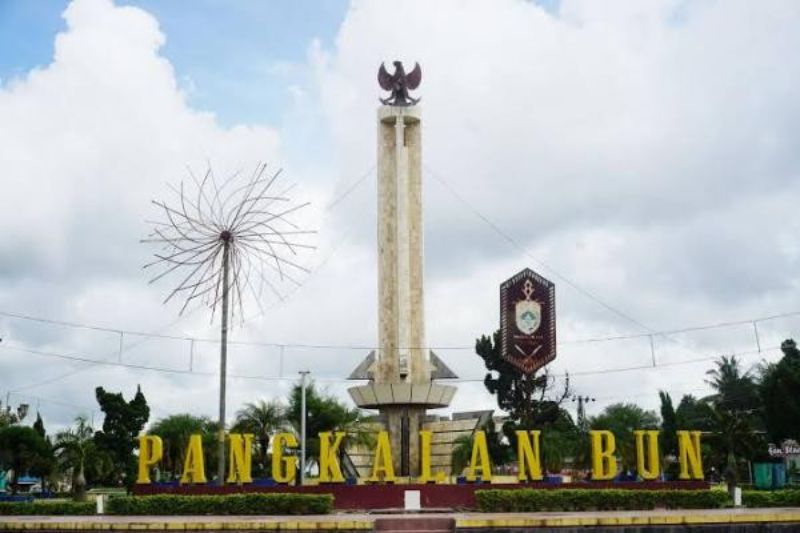
Source : kobar.inews.id
Pangkalan Bun is a town located on the Arut River. A traditional saying asserts, ‘Whoever drinks from the Arut River will undoubtedly return to Pangkalan Bun,’ reflecting the town’s allure for first-time visitors. The phrase conveys a sense of nostalgia, suggesting that one may eventually return to visit the town. The combination of typical riverside life and heritage sites along the riverbanks distinguishes Pangkalan Bun. This location acts as a gateway for visitors seeking to explore the unique Tanjung Puting National Park. The Orangutan Care Center Quarantine (OCCQ) serves as a facility for the rehabilitation of injured orangutans and those confiscated by the Natural Resource Conservation Office (BKSDA).
Visitors at this quarantine facility have the opportunity to engage with young orangutans. The Arut River is traversed by traditional kelotok and getek boats, in addition to speedboats of various shapes and sizes, which can be utilized for cruising and exploration along the extensive waterway. Kubu Beach, located approximately one hour’s drive from downtown Pangkalan Bun, offers a tranquil setting. Certain areas serve as optimal locations for fishing. Visitors along the shores can observe and participate in the activities of the fishermen.
8. Banjarmasin
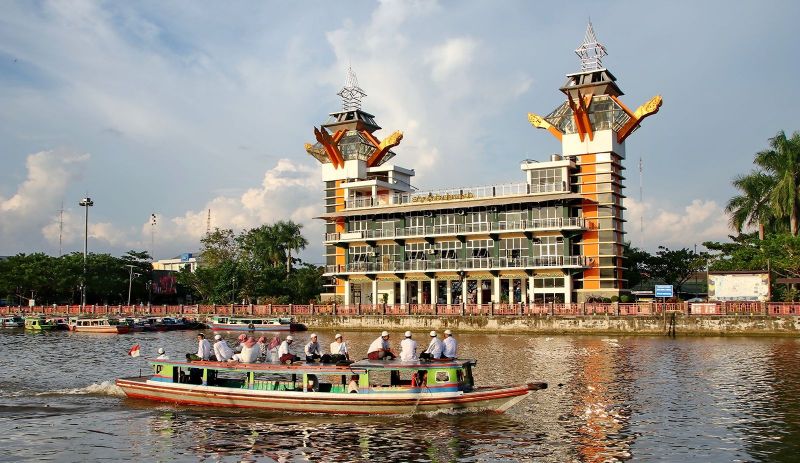
Source : britannica
Banjarmasin serves as an optimal location for experiencing the urban culture of Kalimantan, both on land and in the waterways. Banjarmasin, situated on a delta at the confluence of the Barito and Martapura rivers, along with the adjacent city of Banjarbaru, constitutes the core of Indonesia’s ninth largest metropolitan area.
Banjarmasin has been a significant harbor town on Kalimantan since ancient times and continues to hold this importance today. The region features numerous expansive and powerful rivers that have historically been integral to the lifestyle of the Banjarese, the indigenous ethnic group of Banjarmasin. Every morning, floating markets exist where farmers and merchants trade goods on boats. The primary attractions of the town are its suburbs, which are interspersed with canals, serving as a significant venue for the city’s commercial activities conducted on the water.
The Muara Kuin Floating Market, situated on the Barito River, is the most prominent of these river markets. The floating market showcases a variety of boats transporting goods such as bananas, shrimp, fish, yams, spinach, coconut, spices, chilies, and seasonal fruits like rambutans. Traders exchange goods and currency while skillfully maneuvering their boats, which are perpetually affected by the river’s waves.
9. Kuala Kapuas
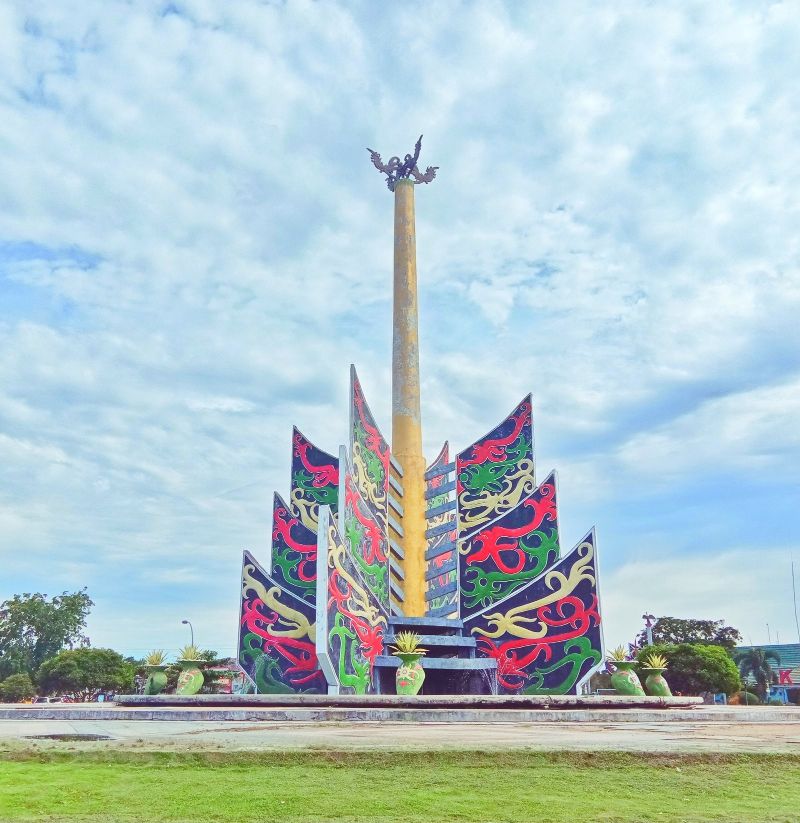
Source : kataomed.com
Kuala Kapuas is situated on the Kapuas River, approximately 40 kilometers from Banjarmasin. This city is a significant urban center in Central Kalimantan, characterized by a clean and comfortable environment. It is referred to as “the City of Water” due to its location surrounding the Kapuas River. The city offers various locations adjacent to the river that enhance the urban experience. In addition to the city tour, Telo Island, a notable tourist attraction, is a charming fishing village and port.
For those interested in adventurous activities such as white-water rafting and nature exploration, Gohong Rawai is recognized for its stunning and challenging rapids. The gold mines of Teweh and Batu Api in the Rungan district represent notable sites for visitation. In this region, gold mining serves as a significant livelihood source for the population, who extract the valuable metal through traditional panning methods.
10. Palangkaraya
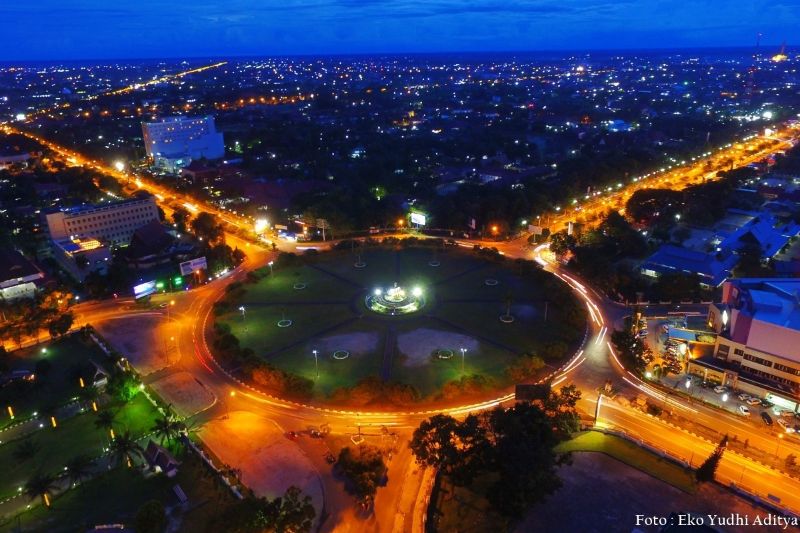
Source : bloggerkalteng.id
Palangkaraya, meaning Honoured and Sacred Great Place, serves as the capital city of Central Kalimantan. Sukarno, the first President of Indonesia, originated from Pahandut, a small stilt village situated along the Kahayan River, and determined that it would serve as the future capital of Indonesia. The new city was entirely conceived and constructed in substantial dimensions during the 1960s.
Palangkaraya features eco-tourism pioneers in Kalimantan Tour Destinations, who have introduced a remodeled traditional ‘rangkan’ riverboat. Cruises highlight the natural beauty and remarkable fauna of Borneo, especially the orangutan. This serves as the initial point for examining the extensive characteristics of Central Kalimantan, recognized as the “lung of the world” due to its expansive and fertile tropical jungles and forests.
Palangkaraya offers access to several notable sites, including the Balanga Museum, which houses numerous artifacts of the Dayak people, the Borneo Orangutan Survival Foundation’s Education Centre at Nyaru Menteng, and Taman Alam near Bukit Tangkiling, a wildlife park primarily featuring crocodiles as its main attraction. Hiking to Bukit Tangkiling and Bukit Batu, located 35 km from Palangkaraya, offers a remarkable view of extensive flat flood plains and peat swamp forests, along with the uncommon rocky outcrops or magmatic extrusions found within the predominantly flat peat swamps.
11. Balikpapan
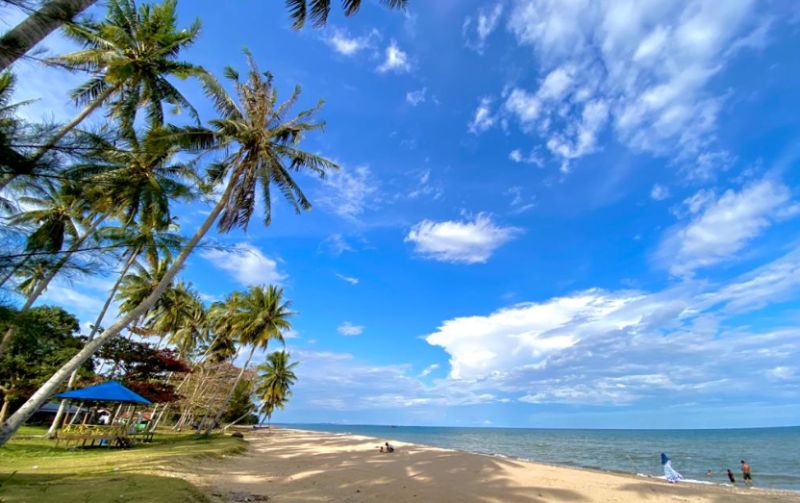
Source : reviewbunda.com
Balikpapan is situated on the southeastern coast of East Kalimantan, adjacent to the deep Makassar Straits. Similar to its counterpart city of Pekanbaru in Riau on Sumatra, it is recognized for its oil mining activities. The predominance of oil and mining industries accounts for the preference of nearly all domestic airlines to operate flights to Balikpapan instead of the provincial capital, Samarinda.
Sepinggan Airport in Balikpapan serves as the primary transit hub to Tanjungredep Airport in Berau, which provides access to the Derawan Dive Islands. In addition to its oil silos and refineries, which are essential to visit, Balikpapan offers several tourist attractions both within the city and its surroundings. The three most popular beaches in this area are Kemala Beach, Manggar Beach, and Segara Sari Beach.
The Wain River Protected Forest encompasses approximately 10,000 hectares and serves as a habitat for several endangered species, including the Beruang Madu (honey bear), which are sun bears endemic to the region, as well as Orangutans and Proboscis monkeys (Bekantan). The Wain River Reserve contains several endangered plant species. Adjacent to Balikpapan is a crocodile farm known as Teritip, which presents an intriguing opportunity for visitation.