
Sulawesi
Sulawesi also known as Celebes is an island in Indonesia. One of the four Greater Sunda Islands, and the world’s 11th-largest island, it is situated east of Borneo, west of the Maluku Islands, and south of Mindanao and the Sulu Archipelago. Within Indonesia, only Sumatra, Borneo, and Papua are larger in territory, and only Java and Sumatra are more populous.
The landmass of Sulawesi includes four peninsulas: the northern Minahasa Peninsula, the East Peninsula, the South Peninsula, and the Southeast Peninsula. Three gulfs separate these peninsulas: the Gulf of Tomini between the northern Minahasa and East peninsulas, the Tolo Gulf between the East and Southeast peninsulas, and the Bone Gulf between the South and Southeast peninsulas. The Strait of Makassar runs along the western side of the island and separates the island from Borneo.
Sulawesi is part of Wallacea, meaning that it has a mix of both Indomalayan and Australasian species that reached the island by crossing deep-water oceanic barriers. There are 8 national parks on the island, of which 4 are mostly marine. The parks with the largest terrestrial area are Bogani Nani Wartabone with 2,871 km2 and Lore Lindu National Park with 2,290 km2. Bunaken National Park, which protects a rich coral ecosystem, has been proposed as a UNESCO World Heritage Site. The coast of northern tip of Sulawesi is identified as a site of highest marine biodiversity importance in the Coral Triangle.
1. Likupang

image source : kementrian pariwisata
North Sulawesi is a province in Indonesia that is well known for its stunning natural attractions. The beaches, the mountainous areas, and lush forests are the highlights that make this destination special. One of the best places you can find here is Likupang Beach. The beach is located in the northernmost part of Sulawesi and is just 48 km away from Manado, specifically in a district called Likupang.
From the first time you lay eyes on Likupang Beach, you will be stunned by its marvelous and vast white sandy beach. It also has beautiful clear seawater and also offers several other tourist attractions. In addition, you can also dive to witness the underwater scenery that will hypnotize you.
From Manado, you can use public transportation from Paal bus station, and the bus will take you directly to the Likupang bus station. If you travel in groups you better use your own vehicle or choose a car rental service since this beach is relatively far away from the heart of the city.
The white sandy beach along with the pristine water that aligns with the green hills seen from a distance is already enough for Likupang Beach to take your breath away. Here, you can snorkel, dive, and also fish around the area.
The crystal clear water has once stunned locals and Indonesia’s World Wildlife Fund in 2007 because a green sea turtle was seen in the area. The presence of a rare species like this is a sign that the ocean ecosystem of Northern Sulawesi is in a good condition. Due to these clear waters, it is a favorite place for people to dive and snorkel in.
Paradise Water Sports at the Casabaio Paradise Resort is a beloved tourist attraction near the beach. Like the game show “Ninja Warrior”, where you can jump on trampolines that are right on the surface of the water! Therefore, if you fall, you dive into the beautiful blue waters. Not only do you get to jump around for fun, but you can also choose from a wide range of water sports like jet skis, banana boat, and many others.
2. Tana Toraja

image source : wikipedia
Tana Toraja is safely protected beyond the lofty mountains and rugged granite cliffs of the central highlands of the island of Sulawesi and the home of the Toraja people. ‘Discovered’ and opened to the world from their long isolation only since the beginning of the last century, the Toraja today still adhere to their age-old beliefs, rituals and traditions, although many of her people are modernized or have embraced Christianity.
The nobility of Toraja are believed to be descendents of heavenly beings who came down by a heavenly stairway to live here on earth in this beautiful landscape. To keep up the energy of the land and its people, the Toraja people believe that these must be sustained through rituals that celebrate both life and death, which are attached to the agricultural seasons. Tourists to Toraja, therefore, are either attracted by its unique culture and rituals, most of which are mostly centered around graves and death ceremonies. While others prefer to avoid the morbid images and go trekking through the spectacular, almost untouched Toraja countryside visiting remote villages, or exhilarate in rafting the Sa’dan riverrapids.
3. Kendari
:strip_icc():format(jpeg)/kly-media-production/medias/3217813/original/098874100_1598322791-FOTO_000.jpg)
image source : liputan 6
Sulawesi Tenggara, also known as Southeast Sulawesi, is located on one of the world’s most uniquely shaped islands, commonly referred to as the ‘Orchid Shaped Island’. Currently, Sulawesi is segmented into six provinces, with Southeast Sulawesi being one of them, encompassing the lower eastern ‘petal’ of this stunning island.
Kendari serves as the capital of the province, located on the east coast of the peninsula, and acts as the gateway to various adventures within this intriguing region. Kendari serves as the tourist hub of Southeast Sulawesi, featuring remarkable attractions both on land and at sea. The area is situated along the sloping hills and coastline of Kendari Bay, housing approximately 100,000 residents.
Kendari is known for producing a variety of exquisite, artistic handicrafts suitable for both home and office environments. Skilled craftsmen reproduce these items from original designs that have been passed down through generations, utilizing indigenous roots and ironwood. Extensive plantations of teak and ironwood are present, utilized for local handicrafts and contributing to the local economy.
This region of Sulawesi is well-suited for individuals seeking challenging adventures and ecotourism experiences. There are numerous dive and snorkel locations that you may consider exploring in and around Kendari, before delving deeper into the marine environment surrounding Wakatobi.
4. Manado Tua Island
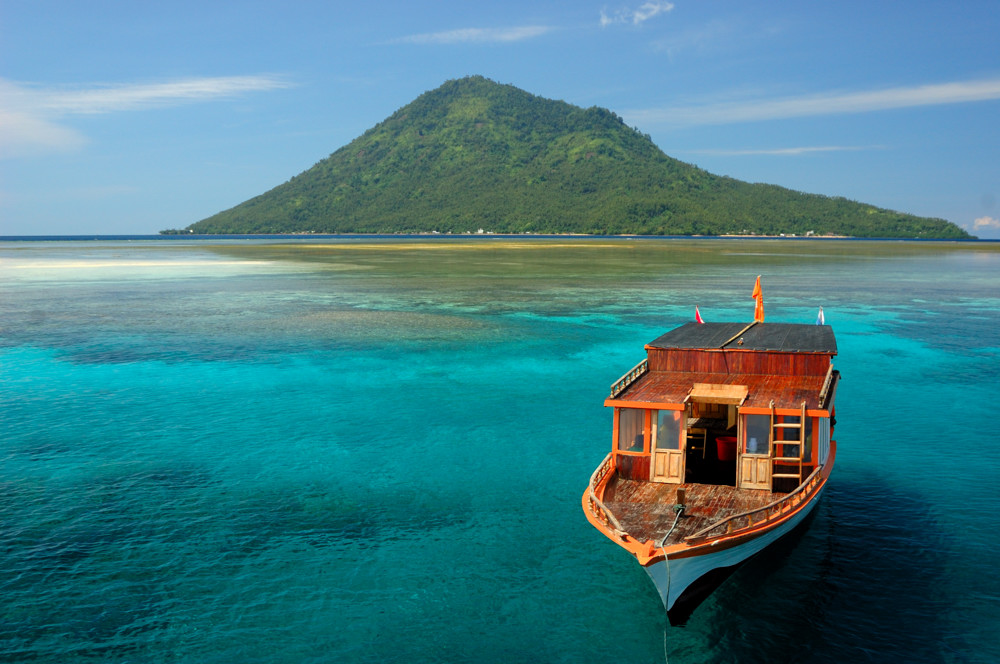
image source : luwansa manado
Manado Tua Island, along with Bunaken, Siladen, Mantehage, and Nain, constitutes the Bunaken-Manado Tua Marine National Park. The Park is situated just offshore from the city of Manado, which serves as the capital of the province of North Sulawesi. The Bunaken-Manado Tua park spans an impressive 89,065 hectares and is recognized as one of the most remarkable dive sites globally. The islands are distinct from the mainland due to a submarine trench that attains a depth of 1,200 meters, which helps maintain the cleanliness of these waters by minimizing the presence of urban waste and silt. The reserve is legally safeguarded against spearfishing, coral or fish collection, and dynamite fishing activities.
The island is home to approximately 3,200 residents who constitute a close-knit community of farmers and fishermen originating from the Sangir region. This community has been diligently engaged in the restoration of damaged reefs, collaborating with Seacology for support. The island is surrounded by underwater plateaus that slope from 5 to 30 meters, bordered by vertical coral walls that descend 25 to 50 meters, along with expansive caves adorned with hanging coral reefs, creating a remarkable marine landscape.
5. Wakatobi The Largest Barrier Reef in Indonesia
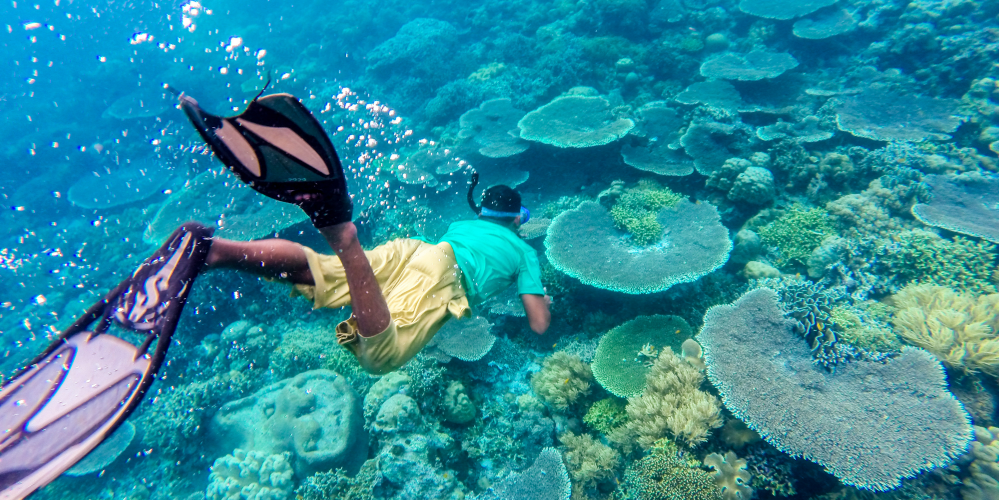
image source : Indonesia travel
The National Marine Park encompasses the entire Wakatobi District, spanning a total area of 1.4 million hectares, with 900,000 hectares showcasing a diverse array of vibrant tropical coral reef species. Recognized as the largest barrier reef in Indonesia, Wakatobi’s grandeur is only surpassed by the Great Barrier Reef in Australia on a global scale.
This location features fringing reefs, atolls, and barrier reefs, providing access to over 50 exceptional dive sites that are conveniently reachable from the main islands. This area serves as a habitat for both large and small fish species, as well as a recreational space for dolphins, turtles, and even whales. Wakatobi is reported to host 942 fish species and 750 coral reef species, contributing to a total of 850 species recognized globally. In contrast, the Caribbean Sea is home to only 50 fish species, while the Red Sea in Egypt boasts 300 coral reef species.
6. Tomohon

image source : pemerintah kota tomohon
Visiting this city during blossom season offers a stunning view of vibrant flowers at the base of a picturesque mountain. This panorama is visually stunning at sunrise, particularly after the early morning mist has lifted. The flower gardens and the local community are situated at the base of Mt. Lokon. During the blossom season in December, January, or April, these flowers present a stunning view against the backdrop of Mt Lokon. Furthermore, one can stroll along the primary thoroughfares of the city, which are adorned with flower shops on either side. Several locations feature flower gardens, providing the opportunity to select your preferred flowers. The Tomohon Flower Festival takes place annually during the months of June and July. Throughout this event, observe the parade of flower floats as they traverse the town. A flower tournament is also held during this Festival where participants from 94 cities in Indonesia take part at the Inspiration Hill.
Tomohon features a mountainous and hilly topography that extends from the North to the South. Tomohon is home to four volcanoes, two of which remain active: Mount Lokon and Mount Mahawu. Mount Lokon stands at an elevation of 1,580 meters, making it the tallest mountain in Tomohon. During the blossom season, flowers can be observed along the road, as numerous shops and gardens situated on the mountainsides offer a variety of blooms for sale.
7. Makassar
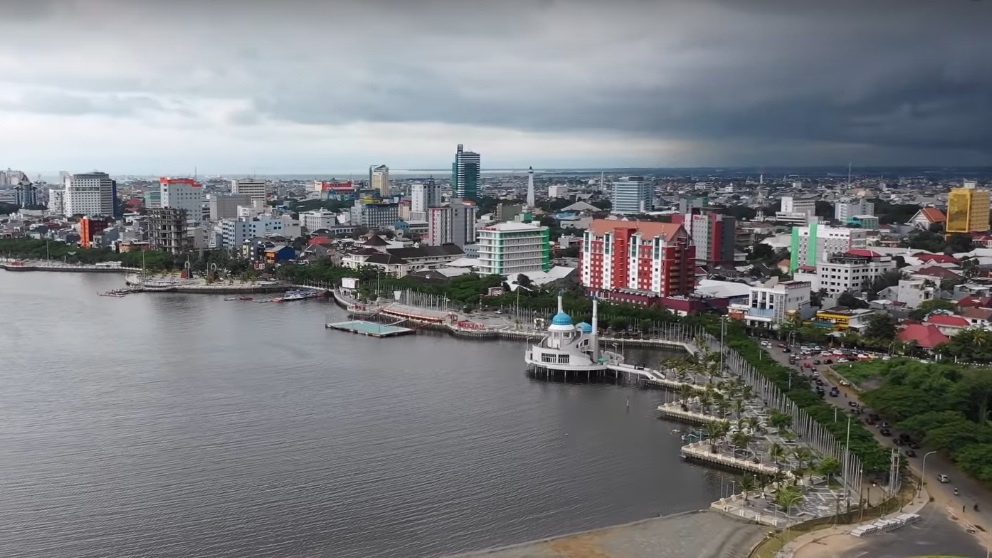
image source : wikipedia
Makassar serves as the largest city in eastern Indonesia and functions as the capital of South Sulawesi province. Makassar is strategically situated in the Indonesian archipelago, serving as a significant air hub that links Sumatra, Java, Bali, and Kalimantan in the west with Sulawesi, the Moluccas, and Papua in the east.
The Historical Port City
Makassar is a vibrant cosmopolitan city, inhabited by a diverse ethnic population previously referred to as Ujung Pandang.
Makassar’s central attractions include historical sites, a waterfront boardwalk, diverse culinary offerings, and notable architectural landmarks.
Fort Rotterdam serves as an essential location for gaining insight into the historical context of Makassar. A preserved bastion from the Gowa Sultanate, originating in the 17th century.
Losari Beach attracts visitors around sunset, providing an opportunity to experience the cool breeze at the waterfront. This location offers local snacks such as Pisang Epe, which consists of banana and chocolate.
Another notable dessert unique to this city is known as Es Pisang Ijo. A banana encased in a thin layer of green dough, accompanied by shaved ice, syrup, and sweetened condensed milk.
Makassar serves as the gateway to East Indonesia and the entry point for tours to the Tana Toraja highlands, characterized by impressive mountain landscapes and the distinctive rituals of the Toraja people.
Bantimurung Bulusaraung National Park, located 50 km from the city, features a remarkable waterfall and a diverse population of butterflies.
This park offers opportunities for adventurous activities, including trekking, hiking, and exploration of the karst regions in the western area.
Rammang-rammang Lake serves as a site for tranquil reflection in a natural setting. The term translates to “haze or clouds,” reflecting the typical soft layers that envelop this location.